What Is a Service Dog? Everything You Need to Know Before Getting One
Written on April 23, 2026 | Posted in Articles, Medical Service Dogs, Service Dogs
Living With Uncertainty Changes Everything
For many individuals and families, daily life isn’t always predictable.
It might be the anxiety of not knowing when the next episode will happen.
The physical limitations that make simple tasks more difficult.
Or the emotional weight of managing a condition that impacts independence, confidence, and safety.
If you’re exploring the idea of a service dog, you’re likely looking for more than just help—you’re looking for stability, support, and peace of mind.
A properly trained service dog can provide exactly that.
But not all service dogs—and not all training programs—are created equal.
What Is a Service Dog?
A service dog is a specially trained dog that is taught to perform specific tasks directly related to a person’s disability or medical condition.
These are not pets, and they are not simply “well-trained dogs.”
A true service dog is trained with purpose, consistency, and real-world functionality in mind.
Examples of what service dogs can be trained to do include:
- Respond during a medical episode
- Retrieve medication or essential items
- Provide mobility support and balance assistance
- Interrupt anxiety or panic behaviors
- Create space and guide their handler in public
- Provide deep pressure therapy during distress
At Specialty Dog Training, we focus on reliable, repeatable behaviors that create meaningful day-to-day support—not just theoretical training.
What Conditions Can a Service Dog Help With?
Service dogs can support a wide range of conditions, including:
- Anxiety, PTSD, and psychiatric conditions
- Seizure disorders
- Mobility limitations
- Autism spectrum support
- POTS and dysautonomia
- Chronic medical conditions
- Multiple sclerosis (MS) and neurological disorders
Each dog is trained and matched based on the individual needs, lifestyle, and goals of the handler.
This is not a one-size-fits-all approach.
What Does a Service Dog Actually Do Day-to-Day?

One of the most common questions people ask is:
“What does a service dog really do in everyday life?”
The answer is simple—but powerful.
A service dog creates consistency where life feels inconsistent.
Depending on the individual, that may look like:
- Staying close and responsive during outings
- Providing grounding during moments of stress or anxiety
- Assisting with physical movement or transitions
- Responding to episodes by performing trained behaviors
- Helping maintain structure and routine
Over time, the bond between dog and handler becomes one of the most important elements of success.
Detection vs. Response: What You Should Know
There is a lot of information online about service dogs “detecting” medical events.
While some dogs may naturally begin to recognize subtle changes over time, it’s important to understand this clearly:
Reliable service dog training is built on response—not prediction.
At Specialty Dog Training, our focus is on training dogs to:
- Respond during an event
- Assist in a meaningful, trained way
- Create safety and stability in real-world situations
Detection can sometimes develop through consistent exposure and reinforcement, but it is not something that should be guaranteed or relied upon as the foundation of training.
This approach ensures that what we provide is dependable, ethical, and effective.
Why Training Standards Matter More Than You Think
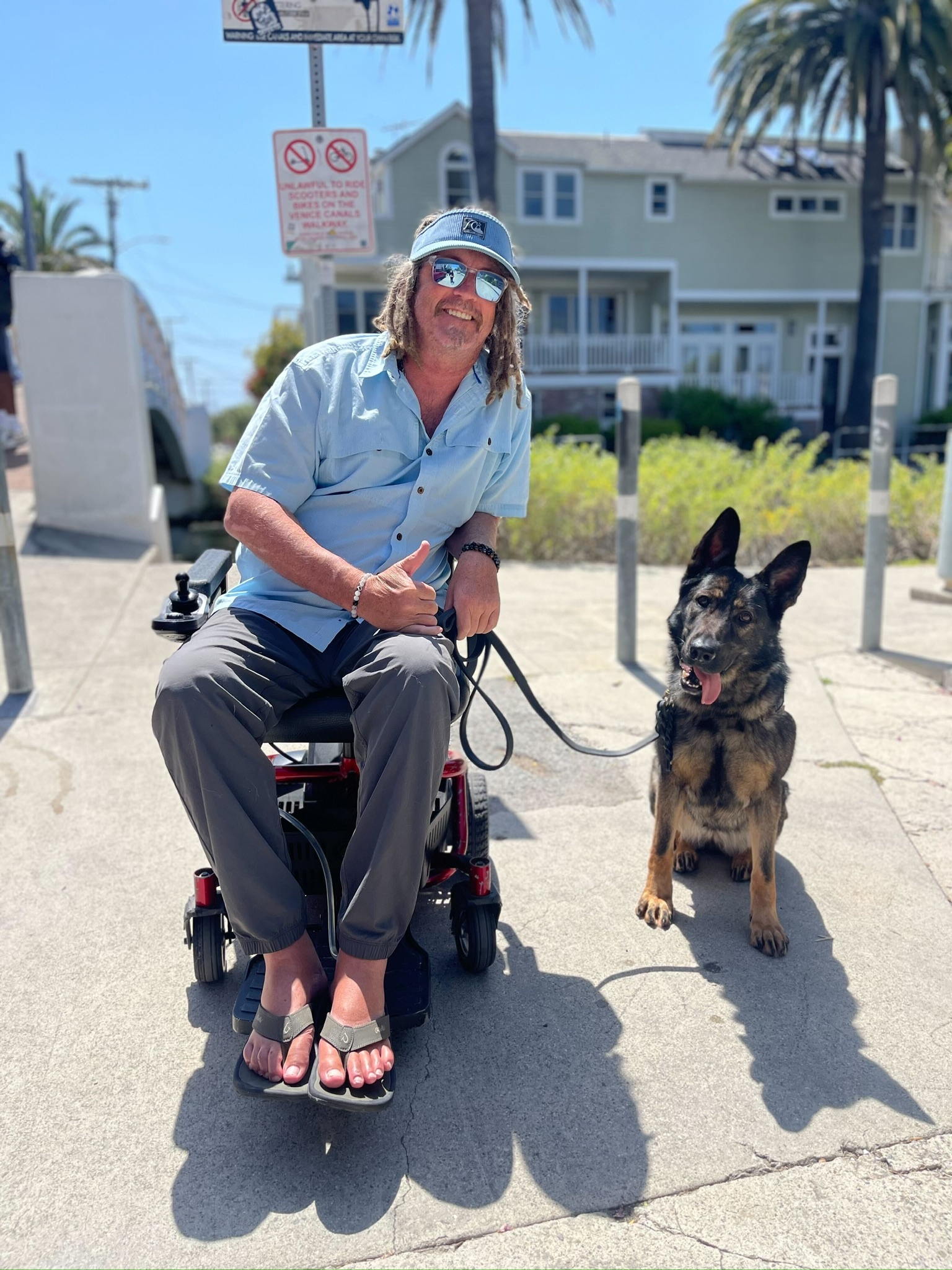
One of the biggest misconceptions in the service dog space is that any well-trained dog can function as a service dog.
In reality, the difference comes down to:
- Structure of training
- Consistency of execution
- Real-world exposure
- Handler compatibility
- Ongoing support after placement
A service dog must be able to perform under pressure, in public environments, and in unpredictable situations.
That level of reliability requires a professional, structured training program—not shortcuts.
The Specialty Dog Training Approach
At Specialty Dog Training, we don’t just train dogs—we develop and place fully prepared service companions.
Our approach is built on:
- Careful selection of temperament and capability
- Advanced, real-world training environments
- Task-specific training based on individual needs
- A white-glove matching and placement process
- Ongoing support and follow-up training
We focus on creating dogs that are:
- Stable
- Responsive
- Adaptable
- Capable of integrating into real life—not just controlled settings
Because at the end of the day, this isn’t about training—it’s about improving someone’s quality of life.
Is a Service Dog Right for You?
A service dog can be life-changing—but it’s also a commitment.
The right candidate is someone who:
- Is ready to be consistent and involved
- Understands the responsibility of handling a trained dog
- Is looking for real support—not a quick fix
- Wants to build a long-term partnership
If that sounds like you, the next step is understanding what the process looks like and whether it’s the right fit.
Take the Next Step
If you or a loved one is exploring the possibility of a service dog, we’re here to help guide you through the process.
Our team will walk you through:
- Your specific needs
- What a service dog can realistically provide
- The right path forward
👉 Apply for a consultation or learn more about our service dog program here.
Last updated: 4/23/2026