The Process of Getting a Service Dog: What to Expect Step-by-Step
Written on July 7, 2026
Clarity Before Commitment
Getting a service dog is a significant decision.
It’s not just about having a well-trained dog—it’s about:
- Finding the right fit
- Following the right process
- Building a long-term partnership
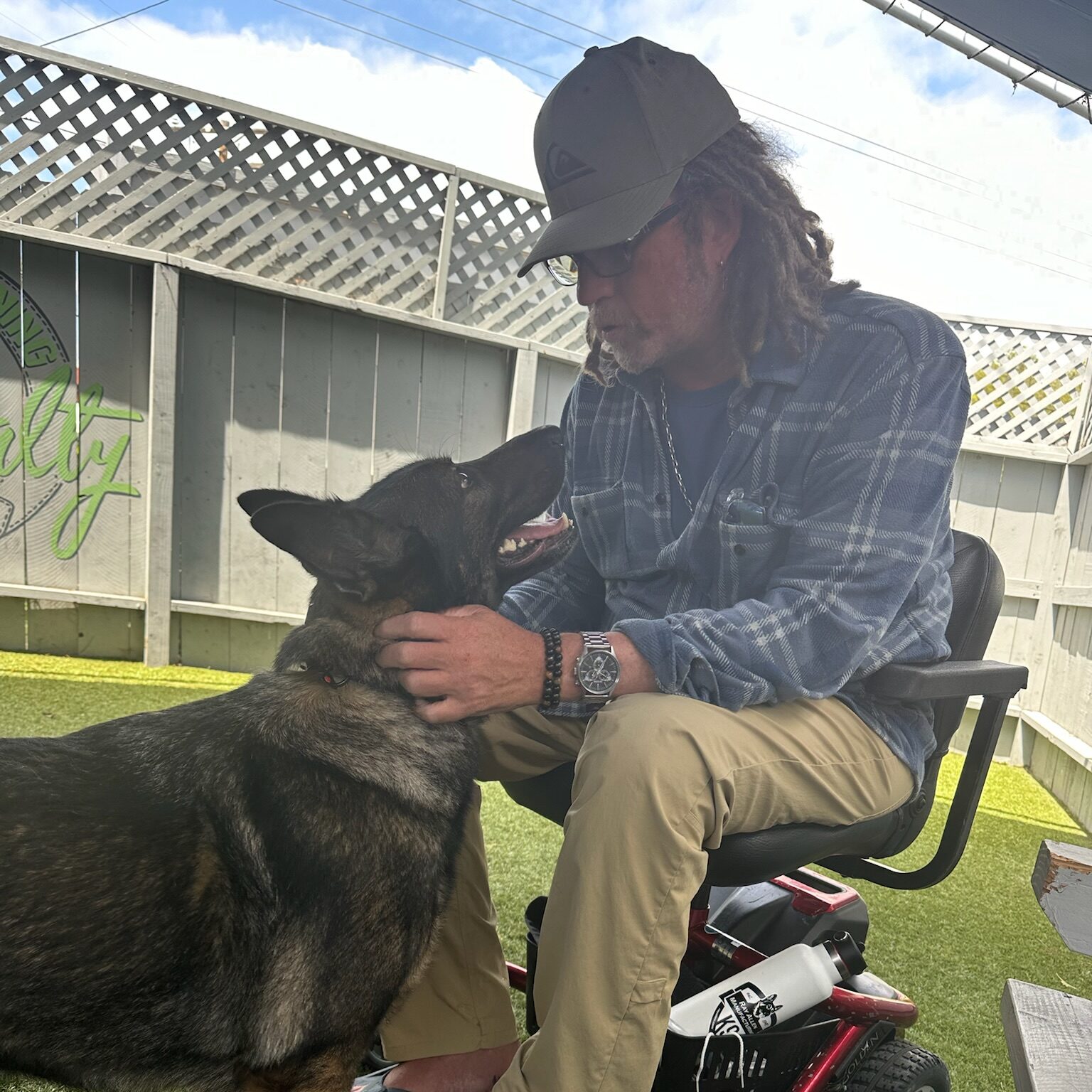
At Specialty Dog Training, we guide clients through a structured, transparent process designed to ensure the best possible outcome for both the handler and the dog.
Step 1: Initial Discovery & Qualification
The first step is understanding:
- Your needs
- Your lifestyle
- Your condition and goals
This typically begins with a complimentary discovery call.
During this phase, we evaluate:
- What type of service dog support is appropriate
- Whether a service dog is the right solution
- What level of training and customization is required
Not every situation calls for a service dog—and we believe in being honest and clear from the start.
Step 2: Program Recommendation & Planning
Once qualified, we develop a custom training plan based on:
- Your condition (mobility, psychiatric, medical response, etc.)
- Daily lifestyle and environment
- Task requirements
- Timeline and expectations
This includes:
- Program structure
- Estimated training duration
- Investment and payment options
Our goal is to create a plan that is:
- Realistic
- Structured
- Designed for long-term success
Step 3: Dog Selection or Evaluation
There are two primary paths:
Option A: We Source the Right Dog
We select a dog based on:
- Temperament
- Structure (especially for mobility work)
- Drive and trainability
- Stability in real-world environments
Option B: We Evaluate Your Current Dog
If you already have a dog, we assess:
- Suitability for service work
- Temperament and behavioral profile
- Health and structural considerations
It’s important to understand:
Not every dog is suited for service work—and proper evaluation is critical.
Step 4: Foundational Training Phase
Training begins with building:
- Obedience (on and off leash)
- Engagement and focus
- Structure and boundaries
This phase sets the foundation for everything that follows.
Without strong fundamentals, advanced task work will not be reliable.
Step 5: Advanced Training & Public Access
Once the foundation is established, we progress into:
- Public access training (stores, restaurants, airports, etc.)
- Environmental exposure and neutrality
- Distraction proofing
- Real-world application
The goal is a dog that can:
- Function calmly in any environment
- Remain focused under pressure
- Support the handler in everyday life
Step 6: Task Training & Proofing
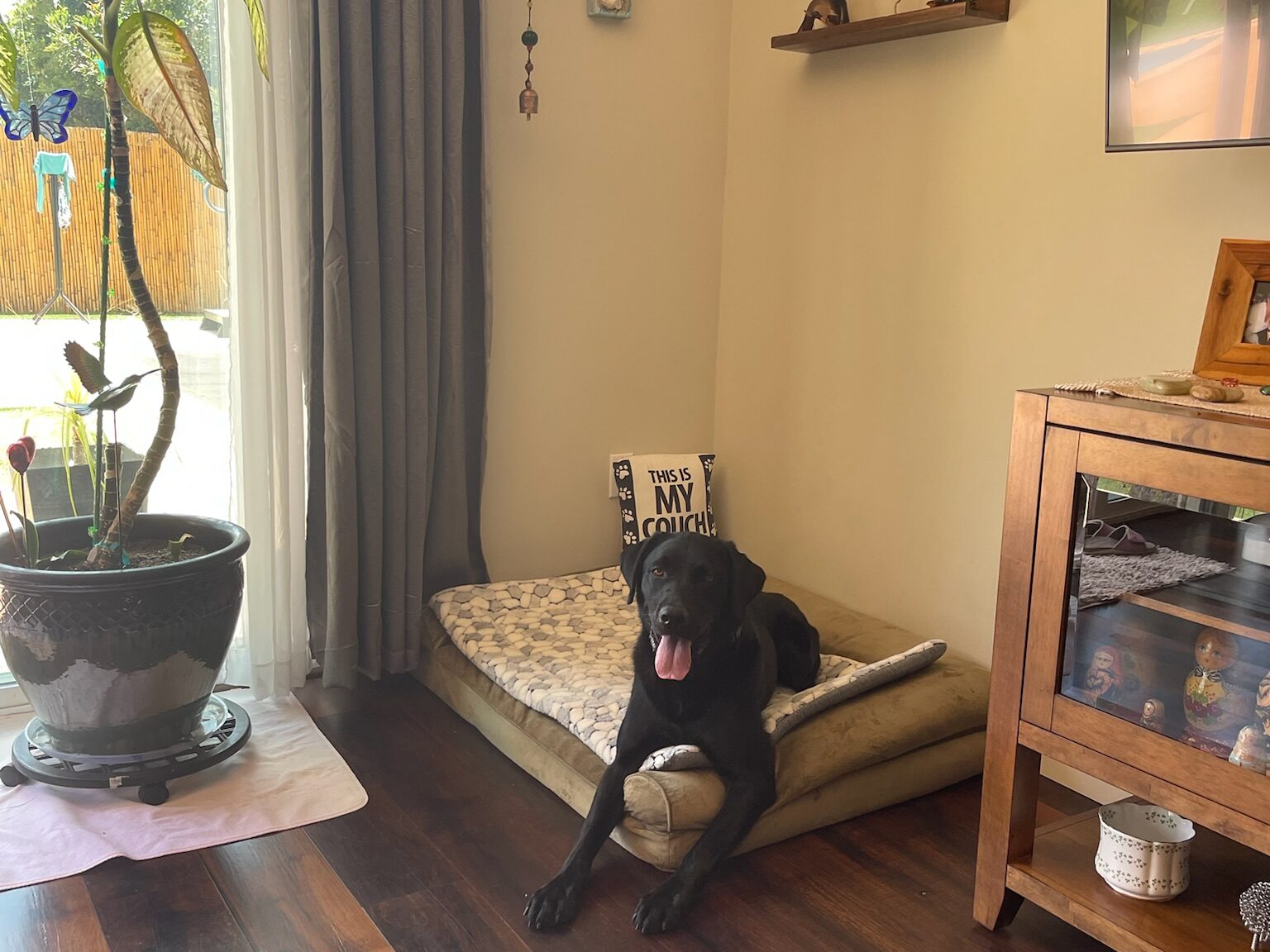
This is where the dog learns specific service tasks tailored to the handler.
Examples include:
- Retrieval tasks
- Mobility support (when appropriate)
- Psychiatric interruption
- Medical response behaviors
At SDT, our focus remains clear:
“While some dogs may naturally develop the ability to detect changes over time, our training focuses on reliable, repeatable response behaviors that create real-world safety and support.”
Tasks are:
- Introduced progressively
- Reinforced consistently
- Proofed across environments
Step 7: Maturity & Real-World Reliability
Time is a critical factor.
Dogs must:
- Mature physically and mentally
- Gain real-world experience
- Build consistency over time
We do not rush:
- Development
- Task complexity
- Environmental exposure
This ensures:
- Long-term reliability
- Confidence in performance
- Stability under pressure
Step 8: Handler Transfer Training
Training the dog is only part of the process.
We also train the handler.
This includes:
- On-site lessons at our facility
- Clear communication techniques
- Task handling and reinforcement
- Real-world application
This phase ensures:
- A smooth transition
- Long-term success
- Confidence for both handler and dog
Step 9: Ongoing Support & Reinforcement
Even after placement, support continues.
Service dogs require:
- Ongoing reinforcement
- Consistency in handling
- Continued structure
We provide:
- Follow-up guidance
- Additional lessons (as needed)
- Long-term support to maintain performance
How Long Does the Process Take?
The timeline varies based on:
- The dog’s age
- The type of service work
- Development and maturity
In most cases:
- Programs range from several months to over a year
For younger dogs:
- Longer timelines are required to allow for proper development
What Sets the Process Apart
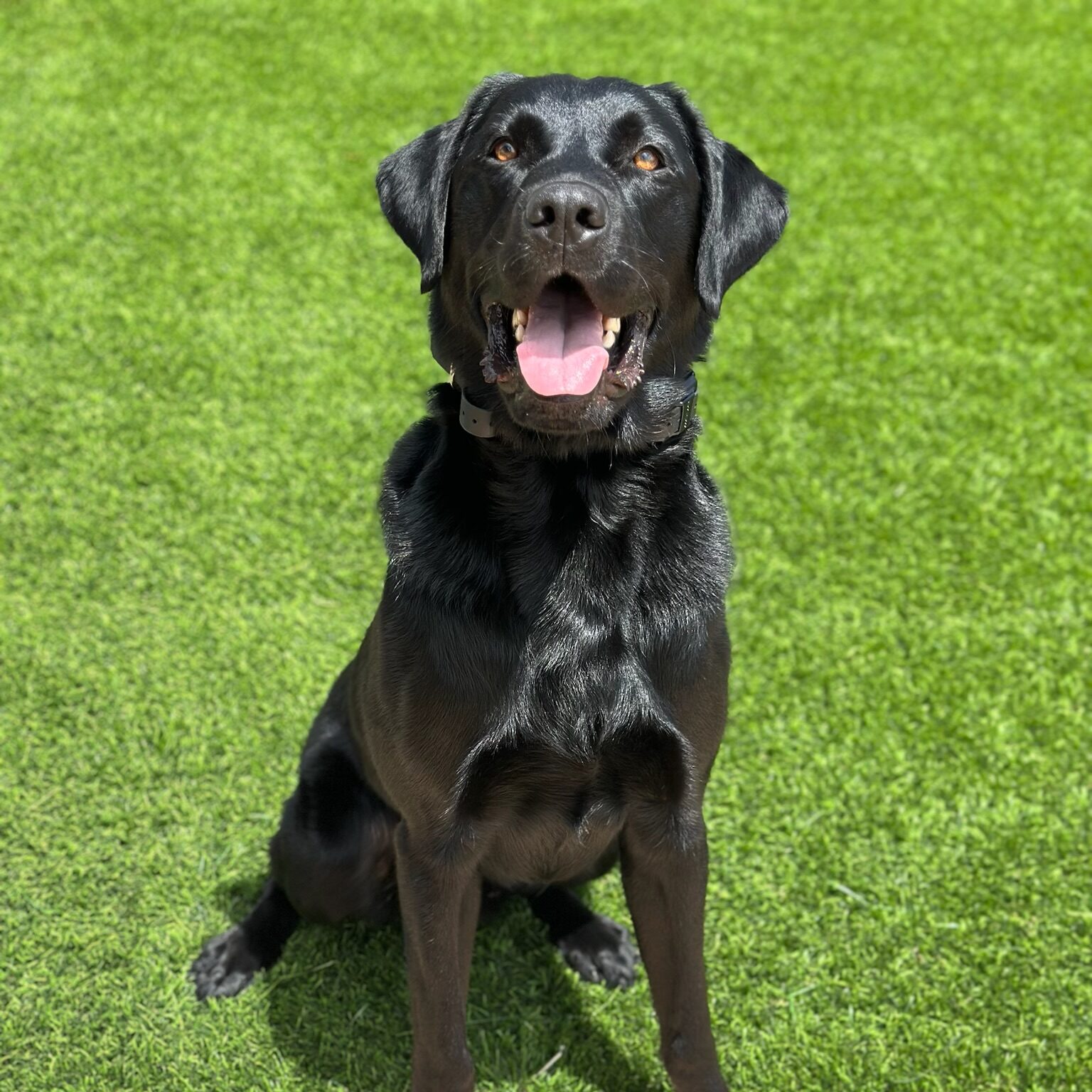
At Specialty Dog Training, our process is:
- Structured and phased
- Customized to each client
- Focused on real-world reliability
- Built on ethical, results-driven training
We prioritize:
- Quality over speed
- Reliability over shortcuts
- Long-term success over quick fixes
Common Misconceptions
“I can get a fully trained service dog quickly”
→ True service dog training takes time and development.
“Any dog can become a service dog”
→ Selection and temperament are critical.
“Service dogs can predict medical events reliably”
→ Detection is not guaranteed—response training is the foundation.
The Real Impact: A Partnership Built for Life
A service dog is not just trained—it’s developed over time into a reliable partner.
Through the right process, clients gain:
- Independence
- Confidence
- Safety
- Long-term support
Final Thoughts
The process of getting a service dog is intentional, structured, and deeply important.
When done correctly, it leads to:
- A highly capable working dog
- A confident, informed handler
- A partnership that truly improves daily life
If you’re ready to explore the process and see if a service dog is the right fit:
Or learn more about our programs: 👉https://specialtydogtraining.com
Last Updated: 7/7/2026