Service Dogs and Medical Response: How Trained Dogs Support During Critical Moments
Written on June 30, 2026 | Posted in Articles, Medical Service Dogs, Service Dogs
When Every Second Matters
Medical conditions don’t always come with warning signs.
For many individuals, episodes can happen suddenly—creating moments where:
- Safety is at risk
- Immediate support is needed
- Quick, reliable action matters
A properly trained medical response service dog is built for these moments.
Not to predict the unpredictable—but to respond effectively when it happens.
What Is a Medical Response Service Dog?
A medical response service dog is trained to:
- Recognize when an event is occurring
- Perform specific, trained behaviors
- Support the handler through and after the event
These dogs are not passive companions—they are:
- Active responders
- Trained support systems
- Reliable partners during critical moments
Response vs Detection: The Most Important Distinction
This is where clarity matters most.
There is a widespread belief that service dogs can:
- Predict seizures
- Detect medical events before they occur
- Provide early warnings with certainty
Here’s the truth:
- Some dogs may naturally develop awareness of changes over time
- This ability is not guaranteed or consistently trainable across all dogs
At Specialty Dog Training, we take a clear, ethical approach:
“While some dogs may naturally develop the ability to detect changes over time, our training focuses on reliable, repeatable response behaviors that create real-world safety and support.”
Why Response Training Matters More
Response training is:
- Repeatable
- Trainable
- Reliable under real-world conditions
Detection is:
- Variable
- Inconsistent
- Not something that can be promised
When safety is involved, reliability is everything.
What Does a Response-Trained Service Dog Do?
A medical response dog is trained to act during and after an event to improve safety and support recovery.
Core Medical Response Tasks
1. Retrieving Critical Items
Dogs can be trained to retrieve:
- Medication
- Water
- Phone or emergency device
This allows the handler to access what they need without additional risk or movement.
2. Activating Alert Systems
In structured environments, dogs can:
- Activate a medical alert button
- Trigger a pre-trained signal
- Seek help from a designated person
3. Providing Deep Pressure Therapy (DPT)
DPT can:
- Help regulate the nervous system
- Provide grounding during or after an event
- Support recovery and stabilization
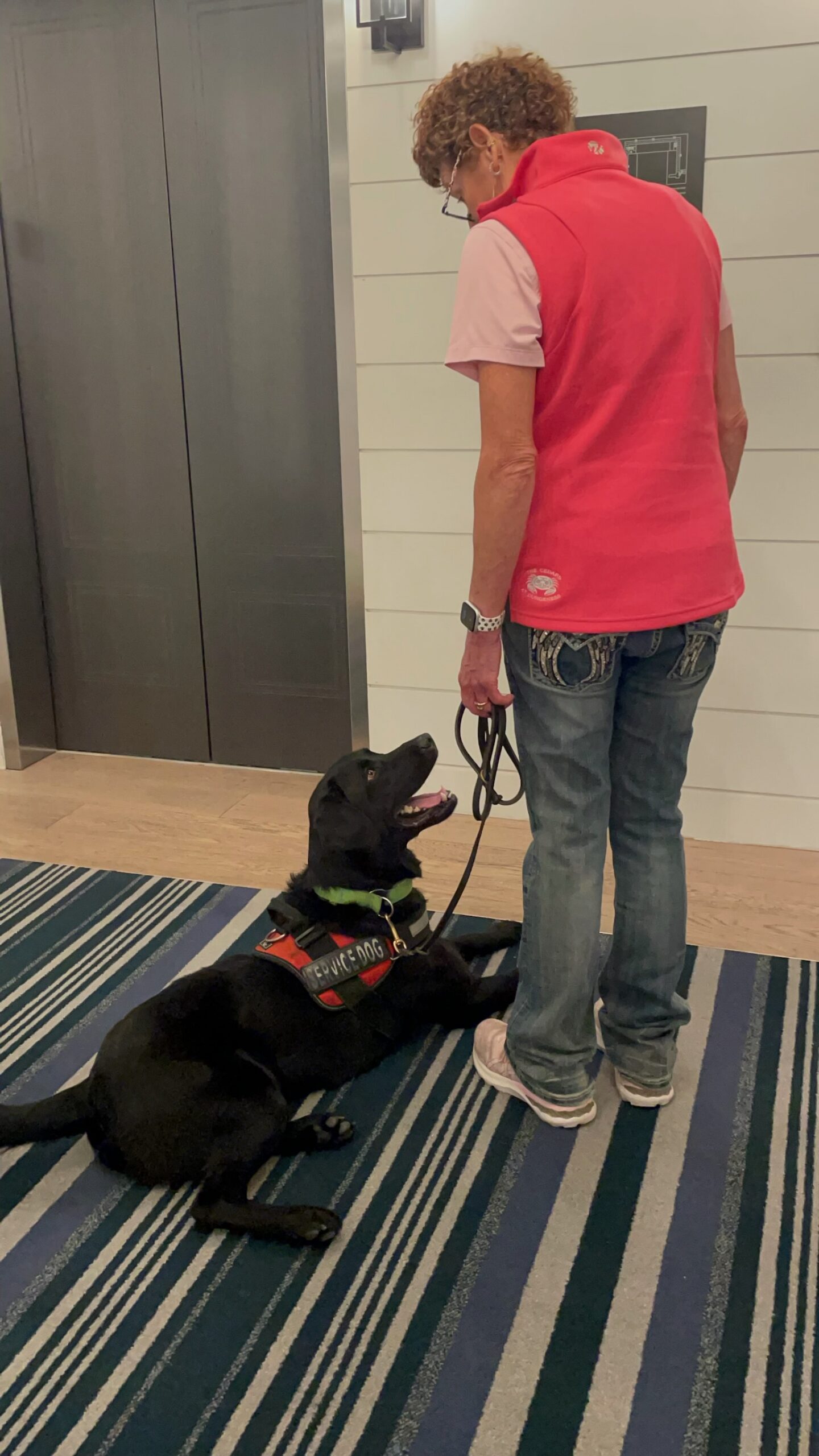
4. Staying With the Handler
During a medical event, dogs are trained to:
- Remain with the handler
- Provide a stabilizing presence
- Avoid becoming reactive or overwhelmed
This alone can significantly increase safety.
5. Interrupting or Assisting During an Episode
Depending on the condition, dogs can:
- Interrupt behaviors
- Assist with positioning
- Help the handler regain awareness
6. Getting Help
Dogs may be trained to:
- Seek out a nearby person
- Alert a family member
- Return with assistance
Conditions That Benefit from Medical Response Dogs
Medical response training can support individuals with:
- Seizure disorders
- POTS / dysautonomia
- Chronic conditions
- Neurological disorders
- Psychiatric conditions with physical manifestations
The focus is always on:
- Safety
- Support
- Function in real-world scenarios
Why Response Training Is More Reliable Than Detection
Let’s break it down clearly:
Response Training
- Built through repetition
- Reinforced consistently
- Proofed across environments
- Measurable and dependable
Detection
- May develop naturally
- Cannot be guaranteed
- Varies from dog to dog
- Difficult to standardize
This is why our programs are designed around what we can confidently deliver.
How Detection Can Develop Over Time
It’s important to note:
- Some dogs naturally begin to notice subtle changes
- Through bonding and daily exposure, patterns may emerge
- Handlers may observe early awareness behaviors
However:
- This is not trained as a primary guarantee
- It is secondary to response-based training
- It is developed organically, not promised
Training a Medical Response Service Dog
Training includes:
- Advanced obedience (on and off leash)
- Public access training
- Task conditioning and proofing
- Real-world exposure across environments
We focus heavily on:
- Reliability under pressure
- Calm, stable behavior during events
- Consistency across scenarios
The Real Impact: Safety You Can Rely On
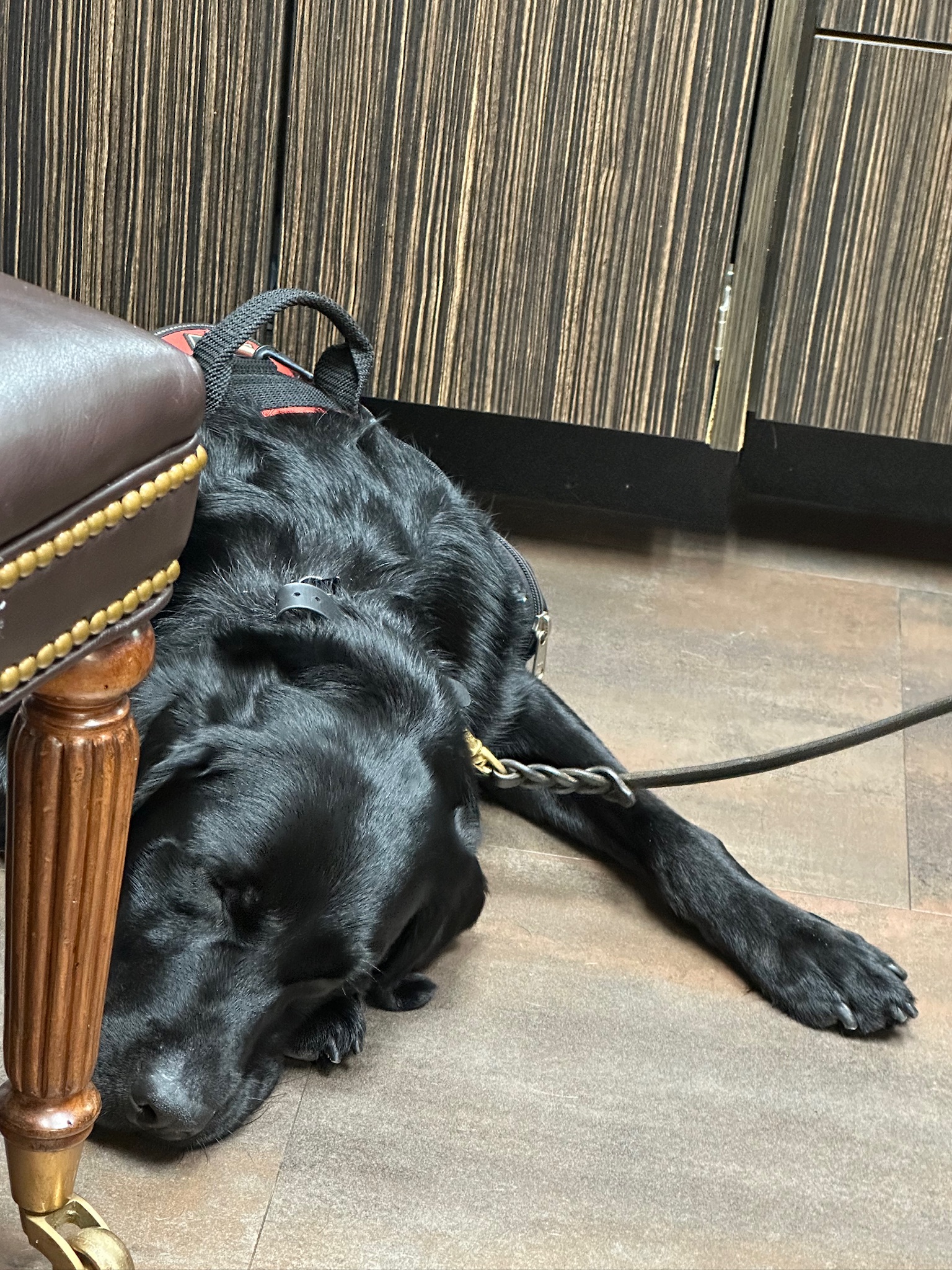
For individuals living with medical conditions, a response-trained service dog provides:
- Increased safety during critical moments
- Greater independence in daily life
- Reduced fear of being alone
- Confidence in navigating the world
The impact is not just physical—it’s psychological.
Knowing support is there when it matters most changes everything.
Why Professional Training Matters
Medical response work requires:
- Precision
- Ethical standards
- Real-world reliability
At Specialty Dog Training, we focus on:
- Building repeatable, proven behaviors
- Training for real-life situations
- Supporting long-term handler success
- Delivering outcomes that are dependable
Because when it comes to safety, there is no room for inconsistency.
Final Thoughts
Medical response service dogs are not about predicting the future.
They are about being ready when it happens.
Through structured, reliable training, these dogs provide:
- Safety
- Support
- Confidence
And most importantly, peace of mind in uncertain moments.
If you’re exploring whether a medical response service dog is the right fit:
Or learn more about our programs: 👉https://specialtydogtraining.com
Last Updated: 6/30/2026